
Luxury shopping in Ginza is concentrated along a compact grid around Chuo-dori and Harumi-dori in central Tokyo, where global fashion houses operate some of their largest flagships alongside historic Japanese department stores and specialist craftsmen. The district is easy to explore on foot, and a well-planned half day can cover flagship boutiques, a department store food hall and a long lunch. This guide explains how Ginza is laid out, what makes it different from other Tokyo shopping districts and how to shop efficiently as a visitor.
It is an editorial guide based on official district and retailer information and our Tokyo coverage. Store hours, tax-free procedures and brand line-ups change, so confirm details with individual stores before visiting.
How Ginza is laid out
The heart of the district is the Ginza 4-chome crossing, where Chuo-dori meets Harumi-dori. The Wako building with its clock tower and Mitsukoshi Ginza face each other here, and most flagship boutiques sit within a few minutes’ walk. The official Ginza district site maintains an English guide to shops and events.
On weekend afternoons, sections of Chuo-dori have traditionally been closed to traffic as a pedestrian zone, which makes browsing more relaxed. Check current arrangements before you plan around it.
Flagship boutiques worth seeing
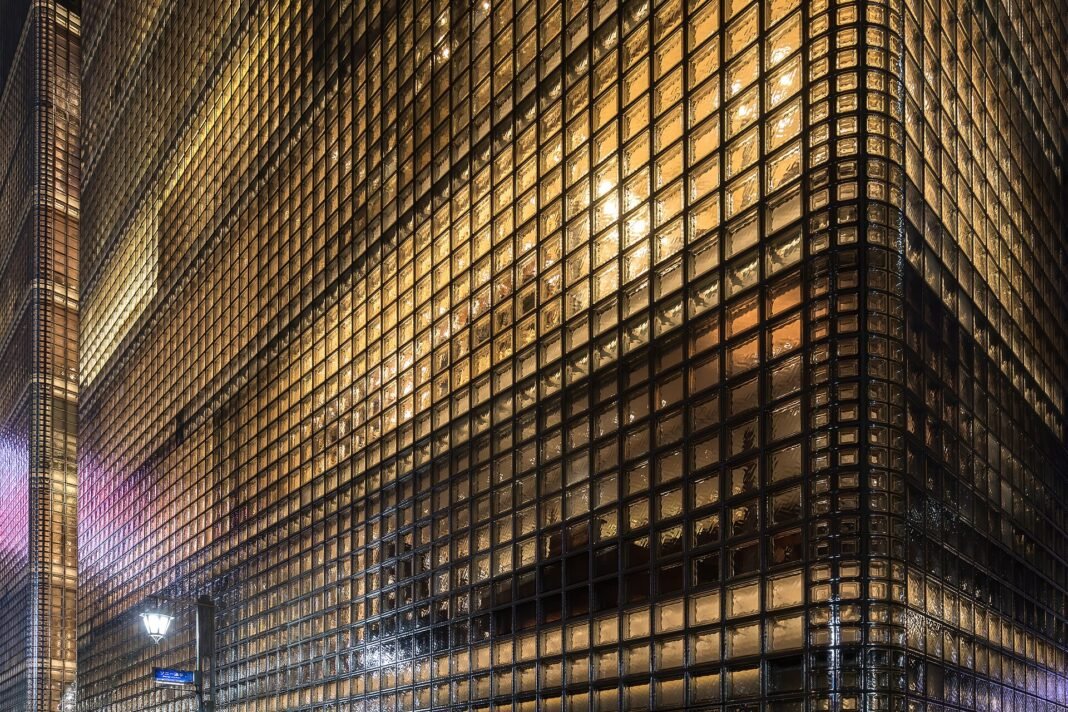
Ginza flagships are often architectural destinations in their own right. Maison Hermès, designed by Renzo Piano with a glass-block facade that glows at night, is one of the best known. Chanel, Louis Vuitton, Dior, Cartier, Bulgari and other major houses all maintain substantial stores in the district, many with exhibition spaces, private salons or restaurants.
For a more personal experience, contact the boutique in advance through your hotel concierge. Private appointments are often possible for serious purchases, and staff can set aside sizes or pieces that are hard to find.
Department stores and complexes
Mitsukoshi Ginza
Mitsukoshi Ginza is part of one of Japan’s oldest department store groups and is a convenient place to see Japanese and international brands under one roof. Its basement food hall, or depachika, is worth visiting for wagashi, premium fruit and gift-boxed sweets.
Ginza Six
Ginza Six is a large complex with luxury fashion, a substantial Tsutaya bookshop with art and design titles, restaurants and a rooftop garden. It is a good rainy-day option that combines shopping with a break.
Matsuya Ginza and Wako
Matsuya Ginza is strong on design and homeware, while Wako is known for watches, jewellery and refined gifts. Both suit travellers looking for quality rather than volume.
Japanese craftsmanship to look for
Ginza is not only about global brands. Look for long-established specialist shops selling stationery and paper, incense, fine knives, pearls and traditional crafts. Itoya, the stationery specialist on Chuo-dori, is a well-loved stop, and Mikimoto, closely associated with cultured pearls, has its flagship in the district. If you are interested in craft, Kyoto is the place for traditional crafts; see our Tokyo luxury travel guide.
How tax-free shopping works
Japan offers consumption tax exemptions for eligible short-term visitors buying goods for export. Procedures have changed over time and are moving towards a refund-based system, so the exact process at the till may differ from previous visits. Carry your passport, keep receipts and ask each store how tax-free purchases are handled. The Japan National Tourism Organization publishes up-to-date guidance for visitors.
If you buy high-value items such as watches or jewellery, also check your home country’s customs allowances before departure.
Pacing a Ginza shopping day
- Start mid-morning. Most stores open around 10:00 to 11:00; arriving at opening avoids the busiest hours.
- Book lunch. Ginza has some of Tokyo’s finest sushi and fine dining. See our luxury sushi guide and plan a reservation in advance.
- Arrange delivery. Hotels and many stores can deliver purchases, which avoids carrying bags between appointments.
- Return in the evening. Many facades are illuminated after dark, and the district takes on a different character.
Where to stay for Ginza
Staying in or near Ginza keeps shopping, dining and the Marunouchi business district within walking distance. Our guide to the best 5-star hotels in Tokyo compares options in Ginza, Marunouchi and Otemachi.
Frequently asked questions
Is Ginza the best place in Tokyo for luxury shopping?
Ginza has the densest concentration of flagship boutiques and historic department stores. Omotesando and Aoyama are strong alternatives for design-led fashion and smaller labels.
Can visitors shop tax-free in Ginza?
Eligible short-term visitors can usually buy goods without consumption tax, but procedures have been changing. Bring your passport and ask each store how it handles tax-free purchases.
Do I need appointments at luxury boutiques?
Not usually for browsing, but private appointments are worth arranging for significant purchases or limited items. Your hotel concierge can help.
Featured image: Basile Morin / Wikimedia Commons, licensed under CC BY-SA 4.0. Editorial illustration of the district.


