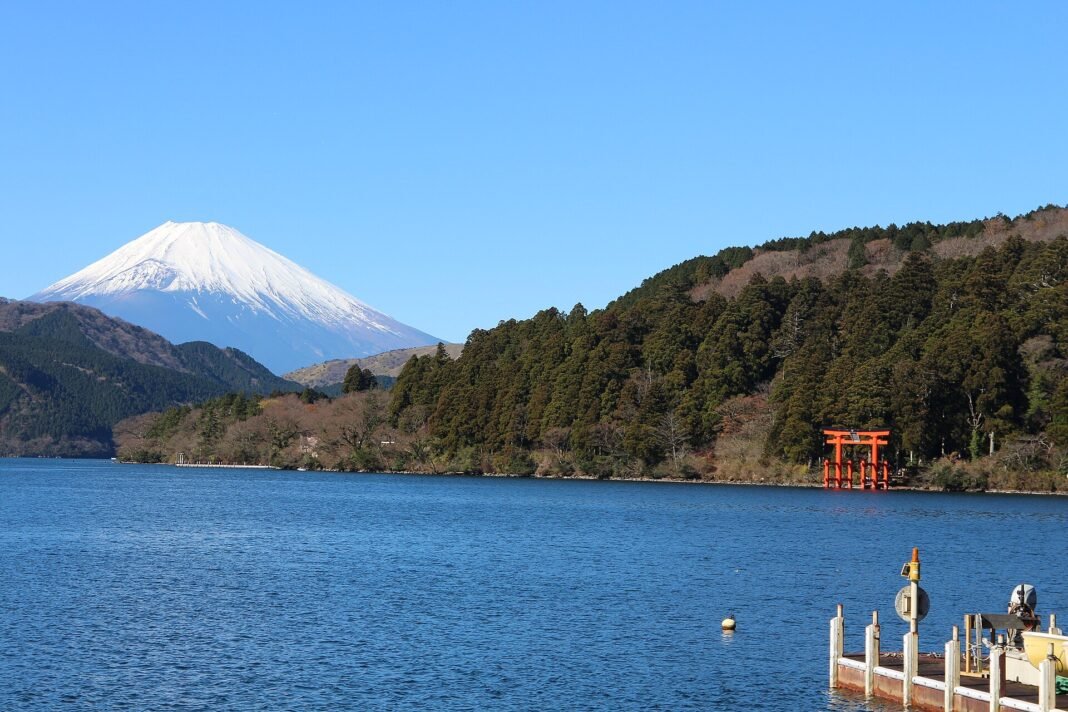

Luxury hotels in Hakone range from a Meiji-era Western-style hotel to refined ryokans with private hot spring baths, all within roughly 90 minutes of central Tokyo. Our shortlist is Fujiya Hotel, Gora Kadan, Hakone Ginyu, The Prince Hakone Lake Ashinoko, Kai Hakone and a Gora-area stay for travellers who want design-led hotel comforts. The right choice depends on whether you prioritise history, onsen bathing, lake and Fuji views, or easy transport.
This guide is built from official property and tourism information and our wider ryokan and onsen coverage. It is not based on paid placements. Room features such as private baths and Fuji views vary by category, and Mount Fuji is often hidden by cloud, so confirm details before booking.
Choosing an area in Hakone
| Area | Character | Best for |
|---|---|---|
| Miyanoshita | Historic hot spring village on the main road | Classic hotel atmosphere and easy access |
| Gora | Hillside resort area at the end of the Hakone Tozan Railway | Ryokans, museums and the cable car towards Owakudani |
| Lake Ashi | Lakeside setting with boats and shrines | Scenery and the best chance of Fuji views |
| Hakone-Yumoto | Gateway town by the station | Short stays and convenient transfers |
The official Hakone tourism site has current transport and attraction information.
Six luxury stays to consider
Fujiya Hotel for history
Fujiya Hotel in Miyanoshita opened in 1878 and is one of Japan’s most historic Western-style hotels, with architecture blending Japanese and European elements. It suits travellers who value character and heritage over a contemporary design hotel. Ask about room types carefully, as historic buildings vary in layout and bathing arrangements. Our guide to Japan’s historic luxury hotels places it in context.
Gora Kadan for a refined ryokan
Gora Kadan occupies a former summer residence of an imperial family branch and is one of Hakone’s best-known luxury ryokans. It combines kaiseki dining with hot spring bathing, and some rooms have private open-air baths. It is a strong choice for a traditional ryokan stay with polished service.
Hakone Ginyu for valley views
Hakone Ginyu in Miyanoshita is known for rooms with private open-air baths overlooking a forested valley. It is ideal for couples who want privacy and want to spend time in the room rather than sightseeing. Note that rooms and stairs suit guests comfortable with a hillside setting.
The Prince Hakone Lake Ashinoko for the lake
The Prince Hakone Lake Ashinoko sits on a quiet peninsula on Lake Ashi. It suits travellers who prefer a resort hotel with Western-style rooms, gardens and lake scenery, and it puts you closer to the Fuji viewpoints than most Miyanoshita or Gora properties.
Kai Hakone for a contemporary ryokan
Kai Hakone, part of Hoshino Resorts, is a riverside ryokan near Hakone-Yumoto with a modern approach to regional culture and onsen. It is convenient for a shorter stay, being close to the main transport gateway.
Gora-area design hotels
Gora also has newer design-led hotels with in-room or shared onsen for travellers who want a contemporary feel and Western-style beds. Compare included breakfast, dinner options and bath arrangements carefully, as these vary widely.
Ryokan or hotel?
A ryokan stay usually includes a multi-course dinner and breakfast, futon or low beds, and a slower, more ritualised evening. A hotel offers more flexibility for dining and Western-style rooms. Neither is better; it depends on how you prefer to spend the evening. Our guides to luxury ryokans and luxury onsen near Tokyo compare both approaches.
Getting to Hakone from Tokyo
The Odakyu Romancecar limited express runs from Shinjuku to Hakone-Yumoto, and the Tokaido Shinkansen from Tokyo to Odawara is another fast option. From there, the Hakone Tozan Railway, buses and taxis connect the main areas. A private transfer avoids changes with luggage and is worth considering for a luxury stay. Weekends and holidays are busy, so allow time for road traffic.
When to visit
Autumn and winter often bring clearer air and better chances of seeing Mount Fuji, while autumn foliage typically peaks around November. Spring and early summer bring hydrangeas along the Tozan Railway. Weekdays are noticeably calmer than weekends at any time of year.
Booking checklist
- Confirm whether your room has a private bath and whether it uses natural hot spring water.
- Check bed type: futon, low beds or Western beds.
- Ask about dinner times and dietary arrangements in advance.
- Check tattoo policies for shared baths if relevant.
- Do not book solely for Fuji views, which depend on weather.
Frequently asked questions
How many nights should I stay in Hakone?
One night works for a ryokan experience, but two nights allow a full day to explore without rushing check-in and check-out.
Which Hakone hotels have the best Mount Fuji views?
Properties around Lake Ashi generally offer the best chance of Fuji views, though visibility depends heavily on weather and season.
Is Hakone worth visiting in winter?
Yes. Winter often brings clear skies and Fuji views, and hot spring bathing is especially enjoyable in cold weather.
Featured image: Suicasmo / Wikimedia Commons, licensed under CC BY-SA 4.0. Editorial illustration of the destination, not a photograph of a reviewed property.


