
Luxury wellness retreats in Japan range from remote onsen stays to city hotels with substantial spa facilities. They are not all structured retreat programmes. Our researched shortlist is Amanemu, Six Senses Kyoto, Beniya Mukayu, Zaborin and Aman Kyoto. Choose first between a scheduled programme and a quiet hotel stay with optional treatments, then compare setting, privacy and the travel required to reach it.
This is a travel planning guide based on official property information checked on 28 August 2026, not personal reviews or medical advice. We assess the setting and advertised services, not claims that a holiday can treat a condition, reverse ageing or guarantee better health.
Luxury wellness retreats in Japan: which format suits you?
| Format | What you are buying | What to verify |
|---|---|---|
| Structured retreat | A defined programme with scheduled activities | Dates, staff, daily timetable and exact inclusions |
| Spa hotel stay | A room with access to some facilities | Which treatments or classes cost extra |
| Private onsen ryokan | Accommodation, bathing and often a dining plan | Room-specific bath, meals and privacy |
| Nature-focused break | Space and time in a quieter setting | Transfer effort and realistic outdoor access |
The simplest useful question is: what would make this trip worthwhile even if you booked no treatment? If the answer is silence, privacy, meals or scenery, a well-chosen ryokan may satisfy the goal. If you want a guided programme, request the actual schedule before committing.
Five places to consider
Amanemu for an Ise-Shima onsen resort stay
Amanemu places hot spring bathing and spa time at the centre of its Ise-Shima experience. We would shortlist it when the intention is to spend meaningful time at the resort rather than use the room as a base for a packed sightseeing itinerary.
Ask which facilities are available with the room rate, which sessions need reservations and how transfers will work. An appealing retreat can become less restful if it requires hurried travel at either end. Build the whole journey around the stay rather than adding it between two demanding city days.
Six Senses Kyoto for wellness within a cultural trip
Six Senses Kyoto is a candidate when you want a wellness-oriented hotel without giving up a Kyoto visit. The distinction is practical: you can combine cultural outings with time at the hotel rather than travel to a remote retreat.
It will only feel restful if the itinerary permits that. Booking treatments between five daily attractions is unlikely to create the experience you intended. Ask for the available services and a realistic schedule, then remove competing activities from those days.
Beniya Mukayu for private bathing and a garden setting
Beniya Mukayu provides private open-air hot spring baths facing the garden in every room. Its facilities information also describes communal bathing. It is worth considering when privacy and time in the room are more appealing than a busy programme.
Plan the Ishikawa destination deliberately and compare room layouts carefully. Quiet surroundings are not enough if the bed, seating or access arrangement is unsuitable for you. Ask about meals and daily rhythms so that the stay fits how you prefer to rest.
Zaborin for a secluded Hokkaido stay
Zaborin combines villa accommodation, private indoor and outdoor hot spring baths and its northern interpretation of kaiseki. This makes it a candidate for travellers who want a stay centred on bathing, food and a woodland setting rather than a long list of appointments.
Decide whether Hokkaido is part of your intended holiday before choosing the property. Extra flights, transfers and seasonal transport arrangements belong in the comparison. We would not recommend adding a distant hotel merely because its photographs look more peaceful than an option already on your route.
Aman Kyoto for a forested city retreat
Aman Kyoto offers a forest and garden setting within Kyoto. We would consider it when you want a quieter accommodation experience while keeping cultural outings possible. The benefit lies in choosing fewer, more deliberate excursions rather than treating the location as a springboard for constant cross-city travel.
Clarify room facilities, spa arrangements and the transport needed for your important reservations. The phrase “city retreat” does not mean every attraction is a short walk away. Choose the hotel because you value its setting enough to spend time there.
How many nights should you allow?
For a stay requiring substantial travel, consider whether at least two or three nights are possible. One night can work for an on-route ryokan, but may feel compressed if a long transfer occupies most of the arrival and departure days. These are planning suggestions, not prescribed programme lengths.
A useful approach is to leave the arrival evening mostly free, preserve one full day with no transfer and avoid an early departure if possible. If your available time cannot support that rhythm, a city spa hotel may be a better fit than a remote property.
Build a restful plan without overscheduling
Choose one principal activity per half-day and allow the rest to remain flexible. That might be an easy outing in the morning, a reserved treatment later and an unhurried dinner. There is no obligation to purchase every service simply because a hotel offers it.
Also discuss expectations with your travel companion. One person may want classes and appointments while another wants reading and quiet. A room with suitable space, a clear meeting plan for meals and permission to spend time separately can matter more than adding another treatment.
What to ask about programme pricing
- Is this a room reservation or a defined retreat package?
- Which meals, treatments, classes and facility access are included?
- Are the services available on the actual dates of the stay?
- Who delivers them, and what qualifications are relevant?
- Can sessions be changed or cancelled, and at what cost?
- What restrictions or suitability questions should be addressed before booking?
Request an itemised total and avoid comparing a room-only quote with a multi-day package as though they include the same things. For example, two separately priced treatments could erase an apparent saving on a lower room rate. Use the costs you would actually incur, not the full menu of services you will never book.
Keep health claims separate from holiday choices
A spa menu is a provider’s description of its services, not independent clinical evidence. Do not choose an expensive programme on a promise of detoxification, disease treatment or guaranteed results. If a proposed service raises a health concern, ask an appropriately qualified clinician about suitability before booking.
For the travel decision, focus on verifiable features: the room, setting, food arrangements, privacy, staff availability and total cost. Compare our Japan resort guide, use the seasonal travel guide to choose dates, and consult the luxury hotel guide for alternatives. The strongest choice is a stay you can enjoy at a comfortable pace, with clear expectations about what is included.
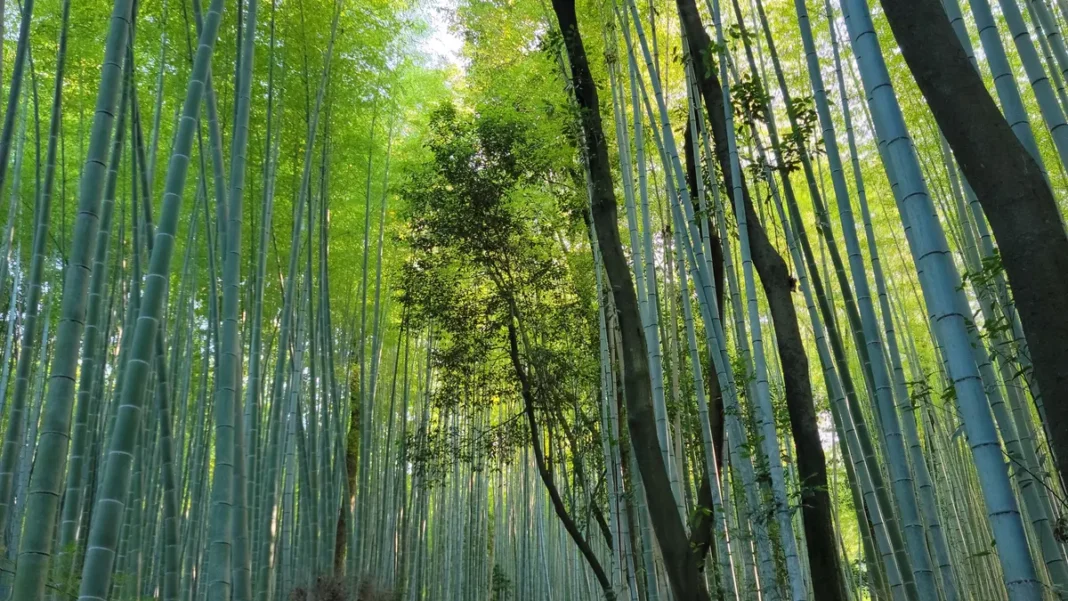
Featured image: Diego Spano / Pexels, used under the Pexels licence. This is an editorial illustration of the destination or theme, not a photograph of a reviewed property or venue.


