
This 14-day luxury Japan itinerary balances Tokyo, Hakone, Kyoto and Osaka without treating every day as a race. The suggested structure is four nights in Tokyo, two in Hakone, five in Kyoto and two in Osaka, followed by departure on day fourteen. That is thirteen hotel nights, with arrival and departure counted among the fourteen days.
The plan assumes arrival in Tokyo and departure from the Kansai region. If you must return to Tokyo for your flight, replace the last Osaka night with a Tokyo night and arrange the journey before departure day. Hotel and transport references were checked on 28 August 2026. Activities below are suggested planning blocks, not confirmed reservations or promises of private access.
Your 14-day luxury Japan itinerary at a glance
| Days | Base | Nights | Main purpose |
|---|---|---|---|
| 1–4 | Tokyo | 4 | Arrival, neighbourhoods, shopping and dining |
| 5–6 | Hakone | 2 | Ryokan, bathing and a slower pace |
| 7–11 | Kyoto | 5 | Culture, gardens, tea and time between outings |
| 12–13 | Osaka | 2 | City life, food and a final relaxed evening |
| 14 | Departure | 0 | Airport transfer with a generous margin |
Days 1–4: settle into Tokyo
Day 1: arrive without an ambitious evening
Arrange an airport transfer that suits the party size and luggage. Check whether early room access is guaranteed or only requested. After arrival, aim for a short neighbourhood walk and an easy meal. Avoid making an expensive, restrictive restaurant reservation depend on an international flight arriving exactly on time.
Day 2: explore one coherent area
Choose a morning around Asakusa and nearby neighbourhoods, or another compact area that matches your interests. A private guide can help with context and navigation, but agree the duration, meeting point and transport inclusions in advance. Return to the hotel before an evening reservation rather than stacking attractions until dinner.
Day 3: design, shopping and one special meal
Use Ginza, Nihonbashi or another chosen shopping area as the day’s anchor. Book one meal that matters and leave the other flexible. For a tasting menu, confirm dietary requirements and cancellation conditions directly. A concierge request is not a confirmed restaurant booking until you receive the details.
Day 4: keep a flexible Tokyo day
Choose art, a garden, a specialist shopping appointment or a second neighbourhood. This is also a useful weather buffer. Pack a smaller bag for Hakone if your hotels can arrange and receive onward luggage delivery. Do not send essentials ahead before confirming the delivery schedule.
Our Tokyo luxury travel guide helps narrow the hotel district. Choose a base that works for your priorities rather than changing hotels to sample several brands.
Days 5–6: two nights in Hakone
Day 5: travel to the ryokan and slow down
Select a train and onward transfer that allow arrival well before dinner. Odakyu’s Romancecar is one reserved-seat option from Shinjuku to Hakone-Yumoto; the best route depends on your Tokyo starting point and the ryokan’s district. Allow for the final journey beyond the arrival station.
Once checked in, let bathing and the evening meal be the day’s main events. Gora Kadan and Hakone Ginyu offer different room choices to investigate. Confirm the selected room’s bath rather than relying on a general hotel description.
Day 6: one outing, then time at the inn
Choose a museum, a scenic excursion or a short local walk according to the weather and your interests. Avoid assuming mountain views will be clear. Keep a poor-weather alternative and return with time to spare. Ask beforehand about lunch and whether the second evening’s menu differs.
Days 7–11: give Kyoto room to breathe
Day 7: transfer and settle in
Plan the Hakone-to-Kyoto transfer with the ryokan, including the correct Shinkansen connection. Use the official SmartEX baggage guidance when arranging luggage and seats. Check your bag dimensions and the rules for your train rather than assuming every suitcase can be placed anywhere.
After reaching Kyoto, keep the evening local. Four Seasons Hotel Kyoto is one Higashiyama option, while the right choice ultimately depends on your sightseeing pattern and how much time you intend to spend at the property.
Day 8: eastern Kyoto at a measured pace
Build the day around a small group of temples, lanes and gardens in the east. Start with the place you most want to see rather than a checklist of everything nearby. Leave time for lunch and breaks. Ask your guide to keep the route realistic for the slowest walker in the group.
Day 9: a private tea experience
Reserve a tea session and give it space in the day. Camellia publishes private options in different parts of Kyoto. Choose the venue that fits the route and confirm accessibility, language and whether the room is exclusive to your party. Tea preparation, explanations and quiet attention deserve more than a hurried stop between bookings.
Day 10: choose a western Kyoto outing
Use this day for an Arashiyama-area visit or a different focused excursion. Keep the number of stops modest and confirm transport in advance if using a private driver. Distinguish a driver’s service from guiding, and verify whether admission charges and waiting time are included.
Day 11: preserve a genuinely open day
Choose a missed garden, a craft appointment, a hotel spa session or no formal activity at all. A five-night Kyoto stay earns its value when at least one day can respond to your interests and the weather. If you want a major day trip, use this slot rather than compressing every Kyoto day.
Use our Kyoto travel guide and fine dining guide to make the final choices. There is no need for a formal tasting menu every evening.
Days 12–14: finish in Osaka
Day 12: Move to Osaka, check in and explore one neighbourhood. Keep the afternoon light enough to enjoy dinner. Day 13: Choose between shopping, the castle area, a guided food outing or a slower hotel day. Use the Osaka guide to avoid unnecessary cross-city journeys. Day 14: Leave a generous airport buffer and avoid a final activity that could jeopardise departure.
Budget and booking order
Build a total in five parts: thirteen hotel nights, long-distance transport, local transfers, meals and experiences. Add flights separately. As an arithmetic example only, thirteen nights averaging ¥120,000 per room would total ¥1,560,000 before excluded costs. This is not a market quote or a recommended spending target.
- Confirm flight cities and the number of usable days.
- Secure the hardest-to-replace ryokan room and important hotel dates.
- Book priority dining and experiences once their calendars open.
- Arrange rail tickets, private transfers and baggage handling.
- Leave some meals and daytime blocks flexible.
If you have fewer days, use our 10-day itinerary instead of squeezing this entire route into a shorter trip. The defining luxury here is enough time to enjoy the places you have chosen.
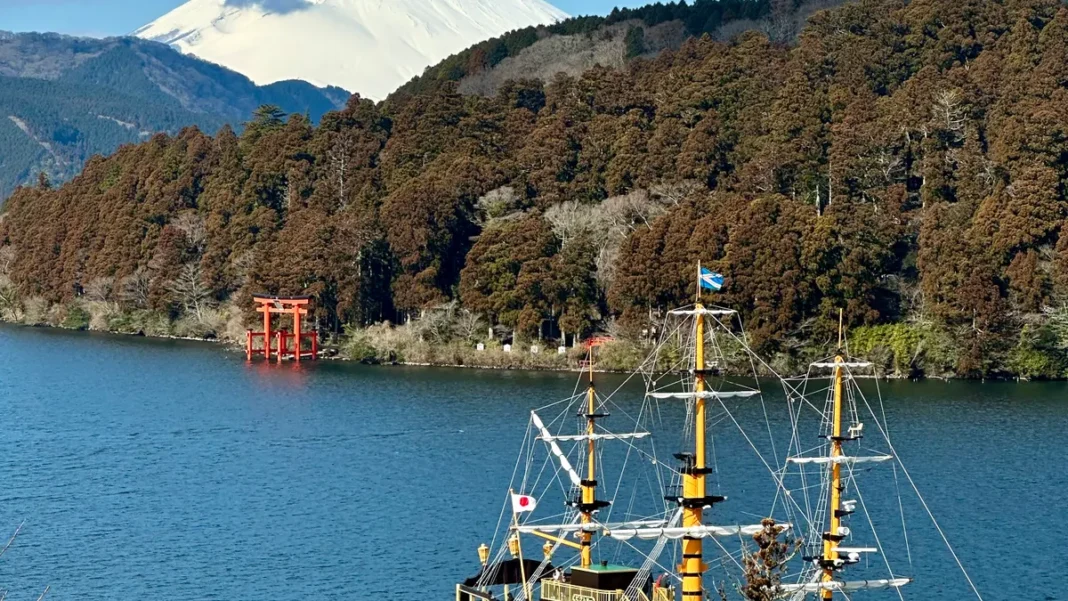
Featured image: Natsuko Aoyama / Pexels, used under the Pexels licence. This is an editorial illustration of the destination or theme, not a photograph of a reviewed property or venue.


