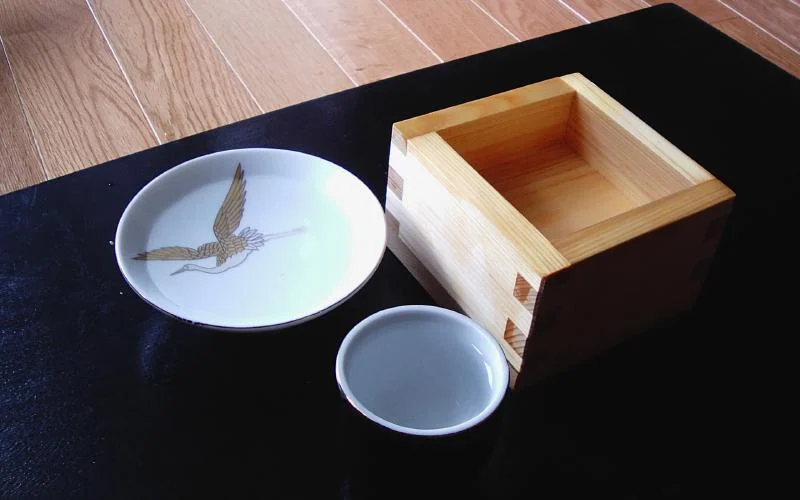

Sake has moved from an afterthought on the Japanese fine dining table to a genuine pairing discipline in its own right, with dedicated sommeliers, wine-bar-style tasting rooms, and premium labels commanding attention from wine professionals internationally. Understanding the basics of grading and where to actually taste it well makes a meaningful difference to a fine dining trip.
Understanding the Grades
Sake grading centers on how much of the outer rice grain is polished away before brewing, since removing more of the husk generally produces a lighter, more fragrant result. Junmai is pure rice sake with no added alcohol. Ginjo and Daiginjo indicate progressively higher polishing ratios and more delicate aromatics, with Daiginjo representing the most refined and typically most expensive tier. Nigori is unfiltered and cloudy, generally sweeter and creamier than clear sake. None of these terms describe quality directly, they describe production method, so a well-made Junmai can outperform a mediocre Daiginjo, but as a general rule, the more refined categories command higher prices and reward more attention.
Labels Worth Knowing
Dassai, from Yamaguchi prefecture, is one of the most internationally recognized sake breweries, and its Dassai 23 pushes rice polishing to an extreme 23 percent of the original grain, producing an intensely floral, easy-drinking result. Dassai 45 Nigori, milder and gently sweet, is frequently recommended as a versatile pairing choice across a wide range of dishes. IWA 5, crafted in Toyama prefecture in collaboration with a former chef de cave of Dom Perignon, has earned a reputation as ‘a wine-lover’s sake’ for its layered complexity, and is often recommended specifically with robata-grilled meats and miso-glazed black cod.
Where to Taste It in Tokyo
Tokyo’s best sake bars operate less like izakayas and more like serious wine bars. One reference-point bar, cited repeatedly by sake professionals in the city, curates around 120 labels with an emphasis on natural-method breweries and low-intervention fermentation, serving sake in proper stemware rather than traditional cups, with premium glasses running roughly ¥1,200 to ¥2,500. Toshimaya, Tokyo’s oldest sake shop with roughly 400 years of history, offers a more traditional entry point, pairing local sake with food in a setting that leans into its own heritage rather than a modern wine-bar format.
Kyoto’s Fushimi District
Kyoto’s Fushimi district is one of Japan’s most significant sake-producing regions, home to more than 30 breweries built around the area’s distinctive soft water. It is the natural pairing to a Kyoto kaiseki trip, and several breweries offer tastings led by a sake sommelier, walking through the differences between Daiginjo, Junmai, and cloudy Nigori styles in a single sitting.
Wine’s Growing Role at the Table
Wine pairing alongside Japanese cuisine has moved from a novelty to a genuine specialty in its own right. The most recent Kyoto-Osaka Michelin Guide introduced the region’s first-ever Sommelier Award, formally recognizing the sommeliers building wine programs specifically designed around kaiseki and Michelin-starred Japanese menus rather than importing a Western wine list wholesale. At this level, sommeliers increasingly favor lighter, higher-acid wines, particularly from Burgundy, the Loire, and cool-climate Japanese vineyards themselves, over the heavier reds that dominate most Western fine-dining pairings, since delicate dashi-based dishes are easily overwhelmed by tannin and oak.
For where to actually eat alongside these pairings, see our guide to what kaiseki actually means or the complete guide to fine dining in Japan.


